Best Fruits to Eat in September in India

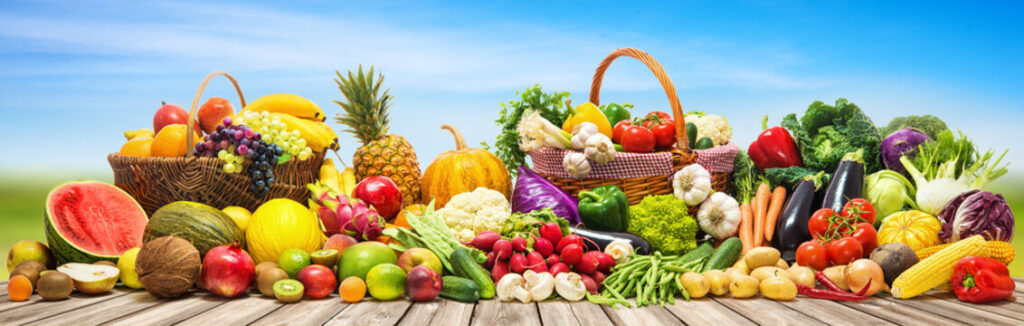
As the monsoon rains taper off and India transitions into autumn, September brings a variety of seasonal fruits that are not only delicious but also packed with nutrients. Eating fruits in their peak season is a great way to get the freshest and most flavorful produce. Let’s explore the best fruits to enjoy in September in India and their health benefits.

1. Pomegranate (Anar)

  • Availability: September to February
  • Benefits: Known for its juicy seeds and vibrant red color, pomegranates are rich in antioxidants, particularly vitamin C and polyphenols, which help boost immunity and fight inflammation. Pomegranates also promote heart health and improve digestion.
  • How to Enjoy:  Eat fresh pomegranate seeds, add them to salads, or make refreshing pomegranate juice.

2. Banana

  • Availability: Year-round, with peak seasons in September
  • Benefits: Bananas are a quick source of energy and loaded with potassium, which helps maintain electrolyte balance. They are also a good source of dietary fiber, aiding digestion.
  • How to Enjoy: Bananas can be eaten raw, added to smoothies, or used in baking.

3. Papaya

  • Availability: Available year-round, but fresh and abundant in September
  • Benefits: Papaya is rich in digestive enzymes like papain and is excellent for gut health. It is also a good source of vitamins A and C, which help boost immunity and promote glowing skin.
  • How to Enjoy: Eat papaya fresh, blend it into smoothies, or use it in salads and desserts.

4. Guava (Amrood)

  • Availability: August to March
  • Benefits: Guavas are nutrient powerhouses, rich in vitamin C, fiber, and antioxidants. They aid digestion, improve immunity, and promote heart health. The crunchy texture and sweet taste make guavas a favorite fruit in India.
  • How to Enjoy: Eat guavas raw with a sprinkle of salt and chili powder or make guava juice or jams.

5. Custard Apple (Sitaphal)

  • Availability: September to December
  • Benefits: Custard apples are a unique fruit with creamy, sweet flesh. They are rich in vitamins B6 and C, and antioxidants, helping to support the immune system and promote brain health.
  • How to Enjoy: Eat fresh by scooping out the flesh or use it to make custard apple smoothies and milkshakes.

6. Pineapple

  • Availability: September to November
  • Benefits: Pineapple is a tropical fruit known for its sweet and tangy flavor. It is rich in vitamin C and contains bromelain, an enzyme that aids digestion and reduces inflammation.
  • How to Enjoy: Eat pineapple fresh, juice it, or use it in fruit salads, smoothies, or desserts.

7. Mosambi (Sweet Lime)

  • Availability: July to September
  • Benefits: Mosambi is a citrus fruit rich in vitamin C, making it an immune booster. Its juice is commonly consumed for hydration and as a natural detox drink during the humid September weather.
  • How to Enjoy: Drink fresh mosambi juice, or peel and eat the fruit as a snack.

8. Pear (Nashpati)

  • Availability: August to October
  • Benefits: Pears are loaded with dietary fiber, which aids in digestion and helps with weight management. They are also rich in vitamins C and K, and their high water content keeps you hydrated.
  • How to Enjoy: Eat fresh as a snack, add to salads, or use in desserts like pear tarts.

9. Grapes

  • Availability: August to October
  • Benefits: Grapes are an excellent source of vitamins C and K, as well as antioxidants like resveratrol, which support heart health and help reduce inflammation. They are also hydrating and refreshing during the changing weather.
  • How to Enjoy: Eat fresh grapes, freeze them for a cool treat, or use them in salads and desserts.

10. Sapodilla (Chiku)

  • Availability: September to December
  • Benefits: Sapodilla is known for its sweet, malty flavor. It is rich in dietary fiber, vitamins A and C, and essential minerals like calcium and iron, supporting digestive and bone health.
  • How to Enjoy: Eat sapodilla fresh or blend it into milkshakes or smoothies.